.png)
Ukrainian Art in review - Kazimir Malevich
- Raphael Capangangan

- Jan 22
- 2 min read
Kazimir Malevich; Probably the most famous Ukrainian artist to emerge onto the global stage, Malevich remains one of the most influential figures in modern art history. Yet his identity, and Ukraine’s role in shaping his work, has often been overlooked or misrepresented. Remembering Malevich accurately is an act of defiance when
Malevich was born in Kyiv in 1879 to a Polish father and a Ukrainian mother and spent his childhood in small towns and villages across Ukraine. His early years, surrounded by Ukrainian folk culture, embroidery patterns, rural landscapes, and peasant life, left a lasting impact that would later surface throughout his work and even in his most abstract pieces.
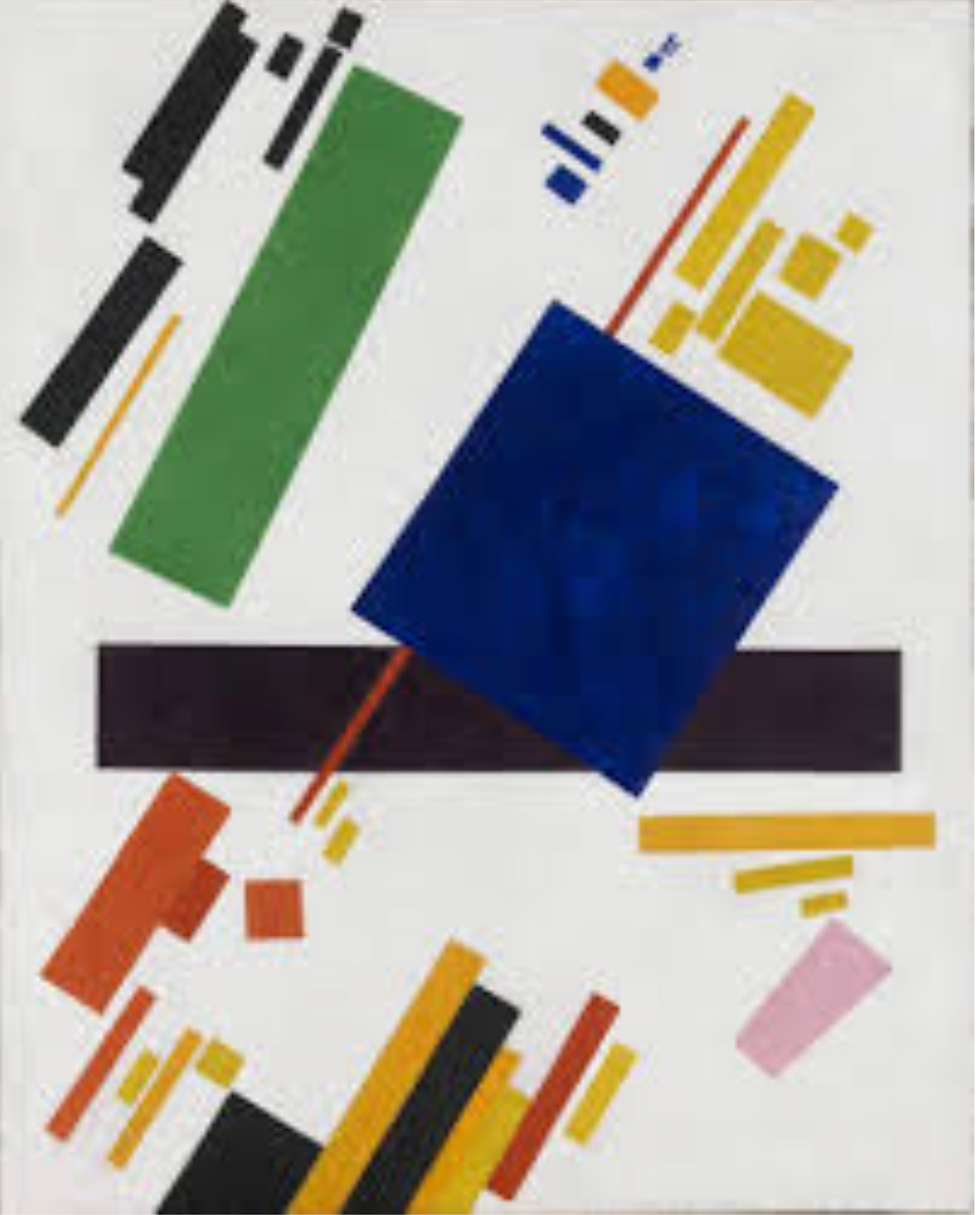
Malevich’s most renowned painting, Black Square (1915), shocked the art world. A simple black form on a white background, it rejected realism entirely and initiated a new artistic philosophy, Suprematism. Suprematism argued that art did not need to represent objects or people. Instead, it could express pure feeling through shape, color, and space. This radical idea changed the direction of modern art forever, influencing abstract movements across Europe and around the world.
While Black Square appeared minimal, its meaning was revolutionary. His work symbolized a break from old systems, old empires, and traditional concepts of art. Malevich himself described Suprematism as freedom from the “weight of the object.”
Despite his global fame, Malevich lived under Soviet repression. In the late 1920s, he returned to Kyiv, taught art, and published essays in the Ukrainian language, openly acknowledging Ukrainian culture as central to his worldview. Soon after, Stalinist authorities censored his work, arrested him, and banned his abstract style as “dangerous.” Like many Ukrainian artists and intellectuals, Malevich was forced into silence. His identity was later absorbed into a simplified “Russian avant-garde” label, erasing the cultural context that shaped him.
Today, as Ukraine defends itself against invasion and cultural destruction, remembering Malevich as Ukrainian is of importance. His work is a reminder against oppression, and that art is not neutral in times of war. Museums have been bombed, archives burned, and artwork stolen. These acts target more than buildings, these egregious acts target memory and priceless pieces of culture.
Malevich’s legacy reminds us that Ukrainian culture has long been a source of global innovation. His art represents Ukraine culture, separate from a soviet identity, his work was a force reshaping how humanity understood art in itself. To recognize Malevich as Ukrainian affirms that Ukraine’s culture belongs to the world, and that no war can erase or suppress where creativity is born.


Comments